

Content is loading...

Hide this page Hide this page Easy read and translate

Lumbar stenosis

Understanding lumbar stenosis

Read below for information about lumbar stenosis.

Lumbar stenosis is narrowing of the tunnels in the spine in the lower back which contain the nerves or spinal cord. It’s a common condition. Most narrowing is a normal part of the ageing process and often does not cause problems.

In some cases, lumbar stenosis can lead to irritation or compression of the nerves, which can lead to pain in the lower back and legs.

Although stenosis can cause pain, the nerves can learn to adapt to the narrowed space. The majority of people with this condition can manage their symptoms well, with the right advice and information.

In some cases further help is necessary, particularly if symptoms are impacting your leg function, walking or quality of life.

Cauda equina syndrome

Read information about cauda equina syndrome

Cauda equina syndrome is a rare and very serious condition where the nerves at the very bottom of the spinal cord become compressed. If left untreated it can cause permanent damage. It is reported that only one in 10,000 to 20,000 patients with back pain will develop cauda equina syndrome.

However, if you notice any of the following symptoms then you may be suffering from Cauda Equina Syndrome:

  • loss of feeling/pins and needles between your inner thighs or 
    genitals
  • numbness in or around your back passage or buttocks
  • altered feeling when using toilet paper to wipe yourself
  • increasing difficulty when you try to urinate
  • increasing difficulty when you try to stop or control your flow of urine
  • loss of sensation when you pass urine
  • leaking urine or recent need to use pads
  • not knowing when your bladder is either full or empty
  • inability to stop a bowel movement or leaking
  • loss of sensation when you pass a bowel motion
  • change in ability to achieve an erection or ejaculate
  • loss of sensation in genitals during sexual intercourse

If you have any of the above symptoms you should attend your nearest A&E immediately to prevent any long-term damage or disability.

How much exercise should I do?
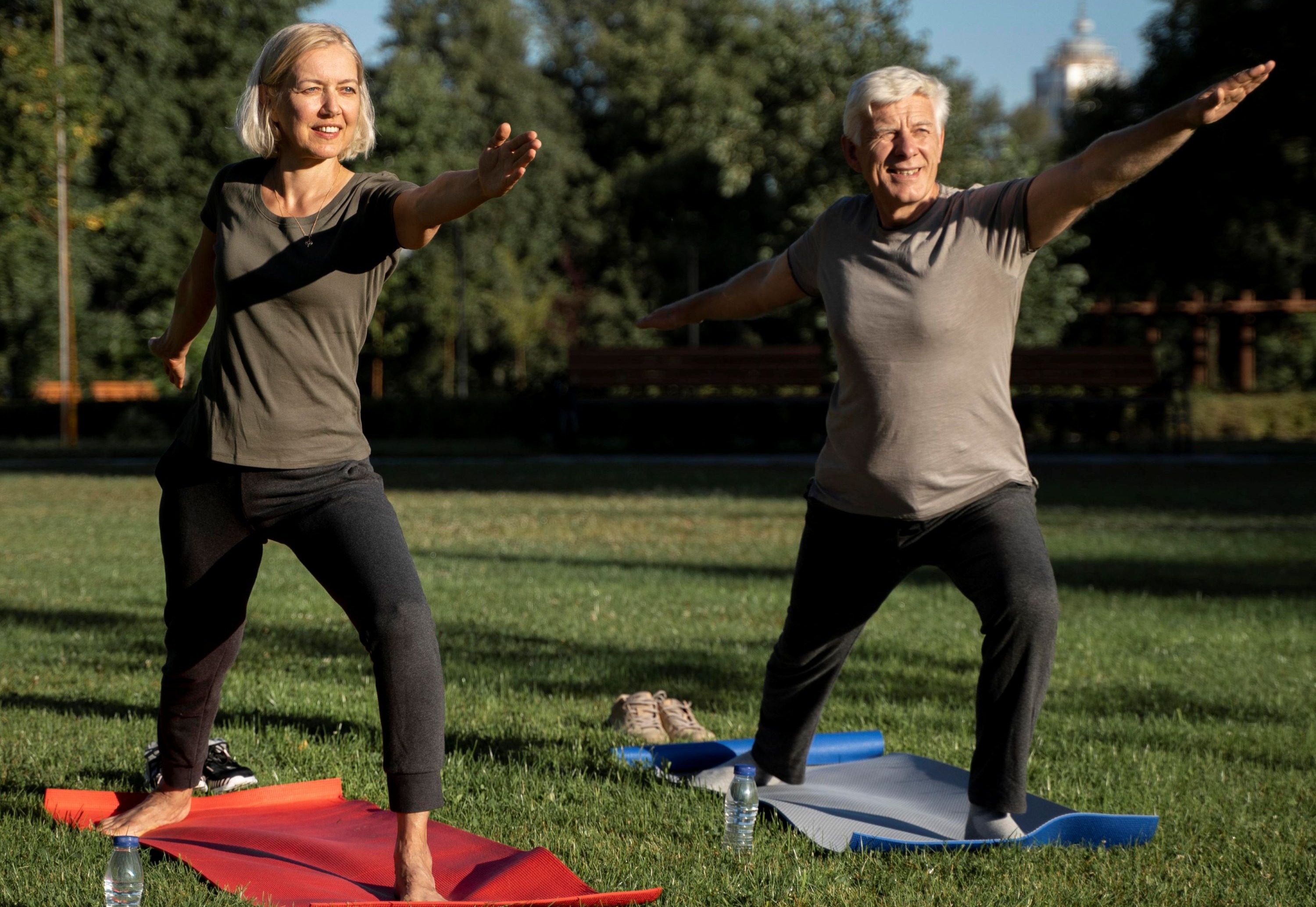
A senior couple on yoga mats outside in a park in a bent knee standing pose with arms outstretched.

Exercise 2 - 3 times a week

Allowing rest days in between to let soft tissues recover and develop.
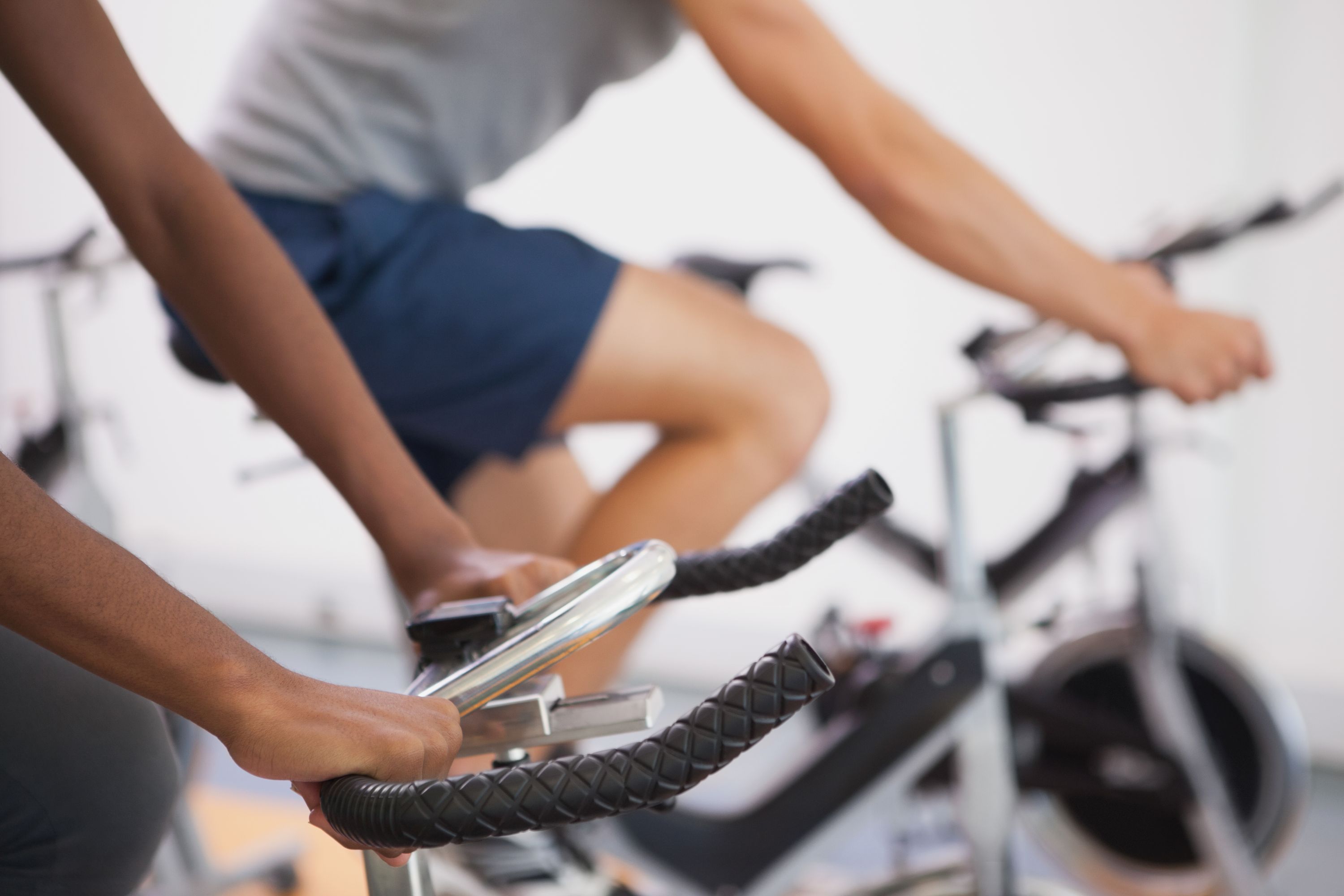
cropped image of two people, one black and one while in shorts and t-shirts on an exercise bike pedalling. Close crop on their hands on handle bars and their legs moving.

Choose 3 or 4 exercises

Choose exercises that are challenging but manageable.
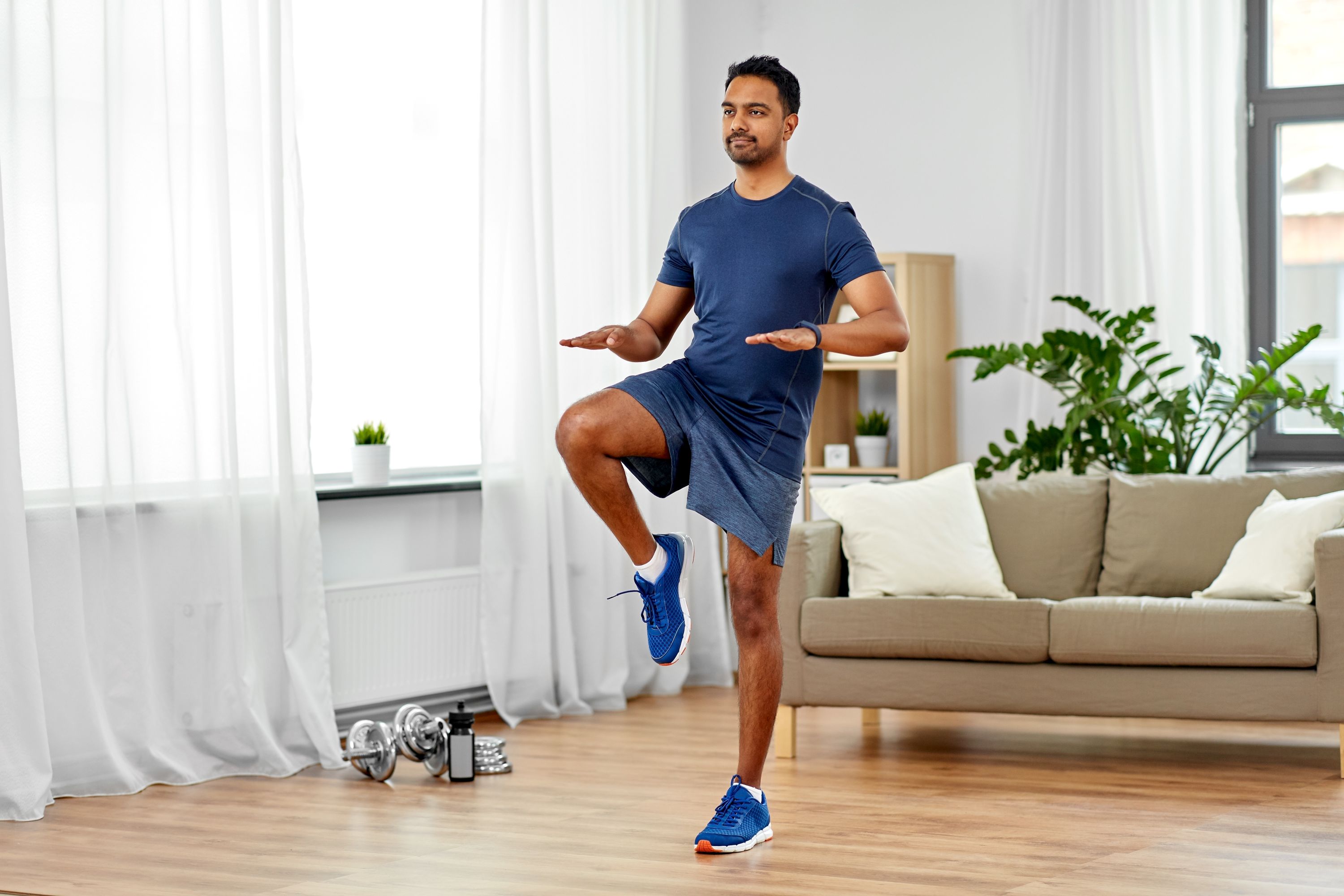
Young asian man running on the spot wearing a t-shirt and shorts in their living room on a wooden floor.

Repeat the exercise

Perform 8 to 12 repetitions of each exercise; by the last 2 to 3 repetitions, you should feel that your muscles are tired.

A young brunette white woman laying on a sofa wearing a striped long sleeve top and cream trousers. She listens to music on headphones and is resting.

Rest

Rest for up to 1 to 2 minutes between each set and monitor how you are feeling during and after exercising.
Once an exercise is easy, progress it

If the exercises are feeling easy after a week at this level, try a small increase in difficulty. You can do this by increasing the resistance (tension in band or weight used), depth of the movement, slowing down the return phase of the movement or adding a hold for a few seconds at the end of the movement.


How much pain is too much pain?

Read below for advice and exercises to manage knee pain.

Before exercising

Before exercising, rate your pain at the moment on a scale of 0 to 10, where 0 is no pain and 10 is the worst pain you can imagine.

A maximum pain level

A maximum pain level of 4/10 whilst exercising is fine as long as it eases within 45 minutes of the session and does not interfere with sleep or activities the next day.

If your pain increases

If your pain increases beyond this, simplify the exercise by reducing the range of movement or number of repetitions, or try an easier exercise.

Strengthening exercises for lumbar stenosis

Read the exercise below, which aim to strengthen muscles to support issues with lumbar stenosis. 

Balance exercises for lumbar stenosis

Read the exercise below, which aim to support balance for those with lumbar stenosis. 

Stretching exercises for lumbar stenosis

Read the following stretching exercises to support lumbar stenosis

Need more help?

Consider self referring using the link below:

If you have a new injury or problem, please look at the self help information in our advice pages. We will often complete the same exercises and share information in clinic appointments. 

If you still need some more help you can self refer into our service. Please note that the NHS is currently experiencing longer than normal waits, for more information visit our waiting times page

Refer yourself to physiotherapy

Senior white woman in a white blazer sitting in front of a desk with a computer as a practitioner explains during a physiotherapy appointment

Other help and advice

You must log in to save content

Click below to log in or create a new account

Login

You must log in to save content

Click below to log in or create a new account

Login