

Bladder health
About bladder health
Read below to find out about bladder health.
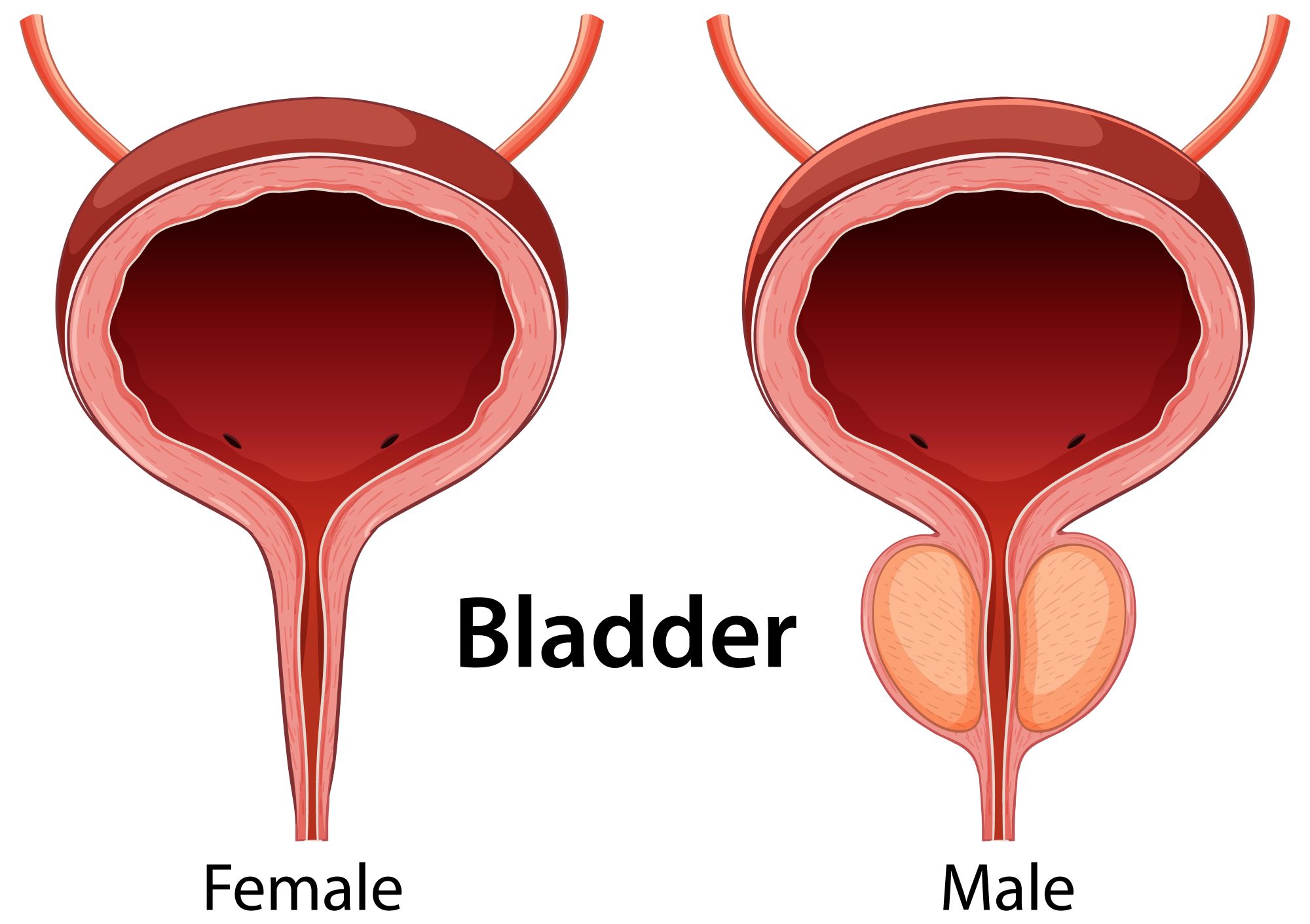
Many men and women of all ages find that they develop bladder problems. Symptoms of an overactive bladder can include:
- Passing water very frequently (frequency)
- Not getting much warning of needing to empty your bladder
(urgency) - Leaking on the way to the toilet (urge incontinence)
- Needing to get up in the night more than once (nocturia)
There can be many reasons for these symptoms, and sometimes no cause will be found at all. There are, however, a number of ways you can try to help your bladder function in a better way.
What is normal?
Read advice about what is normal for bladder health.
Most bladders will hold approximately 400-600mls of urine. The urge to pass urine is normally felt when the bladder is a half full. The sensation of bladder fullness should gradually build up giving you time to reach the toilet when it is convenient to do so.
When you are sat on the toilet, the brain will send a signal to the bladder to start squeezing out the urine. The average number of times most people empty their bladder in the day is between 4 and 8 times and once, or not at all, at night.
There are various treatment options that can be tried to find out what works best for you.
Possible bladder irritants and alternatives
Learn what food and drink could irritate your bladder.
Possible irritants
- Caffeinated drinks
- Fizzy drinks
- Spicy foods
- Alcohol
- Citrus fruits/juices
- Artificial sweeteners
- Food made from tomatoes
- Chocolate
Non irritants
- Water
- Decaffeinated drinks
- Squashes/ cordials
- Milk
Bladder health management
Read advice on how to support your bladder health.
- A daily fluid intake of 1.5-2 litres is recommended to maintain tissue health. You may need to drink more in hot weather, when very active or when unwell.
- Large volumes of fluids in a short period of time and fizzy drinks (including sparkling water) can cause rapid filling of your bladder.This can produce urinary urgency and frequency.
- Spread fluids evenly through the day, with your last drink being a couple of hours before your bed time.
- Caffeine can act as a bladder irritant. Consider substituting
caffeinated drinks with decaffeinated options such as water, fruit squashes or juices. Caffeine can be found in tea, coffee, chocolate, high energy drinks, coca–cola and cocoa. You are advised to cut down on caffeine gradually over 2-3 weeks to reduce withdrawal symptoms such as headaches. - Cutting down on fluids to try and control symptoms results in urine becoming more concentrated, which can irritate the bladder. You can also be more prone to urinary tract infection and constipation, both of which can exacerbate your symptoms.
Check the colour of your urine. It should be light straw coloured with little smell.
There are a number of ways to train your bladder to behave in a more manageable way. To start with, it is a good idea to complete a bladder diary to give a clearer idea as to your daily fluid intake and toileting patterns. This can then be discussed with your pelvic health physiotherapist.
To help calm sudden urges to go to the toilet or to reduce the frequency you have to visit the toilet, you may find some of the following useful:
- Sit down on a firm surface.
- Cross your legs.
- Rise up and down on your toes.
- Relax your breathing.
- Distract your mind by thinking about something else.
- Avoid known triggers such as running water.
- Contract your pelvic floor muscles. Do this by contracting as if
stopping wind and wee. You can contract them on and off a few times quickly or sustain the contraction for as long as you can whilst calmly breathing. - If you are going to the toilet every 30-60 minutes, try and increase this time gradually over a number of weeks. This could be by 5 minutes initially, building up so you are holding for 2 hours between wees.
- Avoid going to the toilet ‘just in case’. Wait till you feel the need to go.
- Adopt a good toileting technique:
- Sit comfortably on the seat with feet supported. Do not hover
over the seat. Sit with your knees apart. - Don’t strain to ‘push’ the wee out.
- Take your time when going to the toilet.
Try rocking forwards/ backwards at the end of emptying your bladder to make sure it has drained fully. You can even standing up over the toilet, then sit back down again before waiting a few moments to check the empty is complete.
The pelvic floor muscles form a hammock underneath your pelvis to provide support to your pelvic organs. These muscles are affected by hormonal changes and may be weakened as a result of childbirth, pelvic surgery, persistent heavy straining due to constipation, a chronic cough, repetitive lifting and from being overweight.
Pelvic floor muscles that are functioning well send clear reflex messages to your bladder, which can help calm unnecessary bladder sensations. When the pelvic floor muscles are contracting, it encourages the bladder muscle to relax and the sensations of needing to wee can therefore reduce.
Improving the strength and function of the pelvic floor muscles by regular exercises can improve the signals to the bladder as well as helping you to ‘hold on’ whilst reaching the toilet.
A pelvic floor contraction is performed by closing and drawing up your back and your front passages. Imagine you are trying to stop yourself passing wind and at the same time trying to stop the flow of urine. It should feel a sensation of ‘tighten and lift’.
You can do this in all positions starting with lying and sitting and progressing over time to standing.
Many people find that their symptoms can be worse if they are constipated, as this can further irritate the bladder. The following can be helpful for good bowel health:
- Aim for 15-30g of fibre a day.
- Make sure you are drinking adequate fluids.
- Try and do some daily activity or exercise such as walking.
- Empty your bowel when you get the urge as this is when the stool will be at its softest and the body ready to push it out.
- Check any medications you are taking as these may cause
constipation - discuss these with your GP or a pharmacist.
If you are feeling particularly stressed or anxious, try and factor in a daily time for relaxation or doing something enjoyable.
A number of medications can be prescribed by your GP to help control an over active bladder. These are called antimuscarinic or anticholinergic medications. They work by blocking some of the nerve impulses to the bladder to stop it contracting inappropriately. This should help improve the urgency of getting to the toilet and the frequency you need to go.
Side effects are quite common with these types of medications and could include a dry mouth, dry eyes, constipation and blurred vision. You may have to try a few different types of medication to find one that both help your symptoms and that suits you. If the side effects are troublesome, you may find swapping to an alternative medication is better.
If the medication is helpful, it is recommended that you combine it with the other bladder health strategies already discussed, as this may provide a better long-term result and opportunity to stop the medication in time without unwanted symptoms increasing again.
Need more help?
Consider self referring using the link below:
If you have a new injury or problem, please look at the self help information in our advice pages. We will often complete the same exercises and share information in clinic appointments.
If you still need some more help you can self refer into our service. Please note that the NHS is currently experiencing longer than normal waits, for more information visit our waiting times page.
Click the link below for self-referal